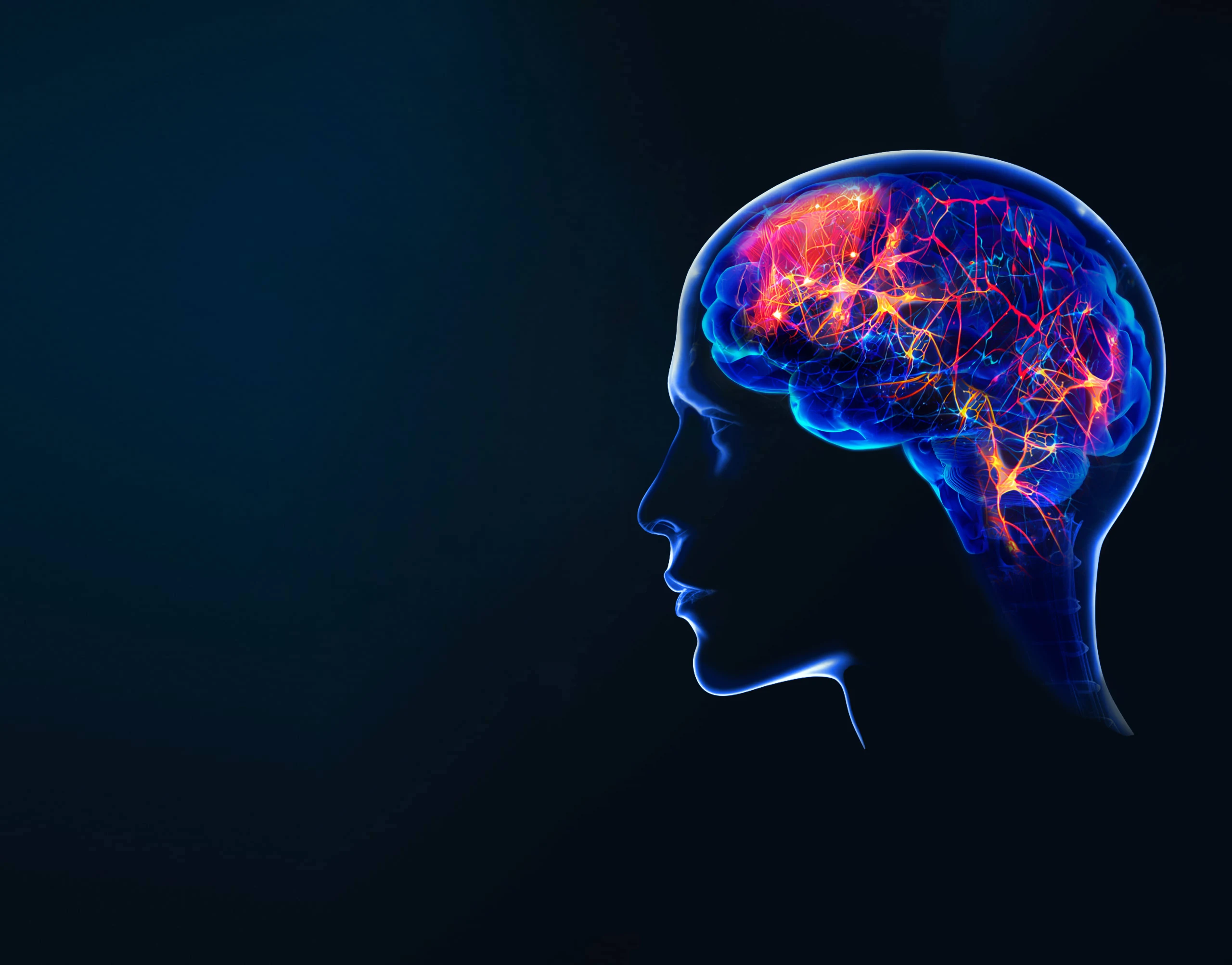
Exomind is a different kind of treatment from traditional therapy, and the two work together. Traditional therapy usually means talking therapy with a counsellor or therapist, medication such as an antidepressant, or both. Exomind is BTL's transcranial magnetic stimulation (TMS) device: an applicator on your head sends repeated electromagnetic pulses to the front of the brain. BTL describes it as drug free and states that patients can continue their current antidepressant medication. At Exomind Clinic, 8 Devonshire Place, London, our doctor chooses the course with you at a free consultation.
How Exomind works differently
Talking therapy works through conversation, and medication through a medicine you take. Exomind uses neither words nor a drug. Its pulses reach the left dorsolateral prefrontal cortex, the frontal part of the brain responsible for emotional regulation, decision-making and self-perception. BTL describes three effects, through neuroplasticity: rebuilding lost connections, strengthening weakened existing connections and increasing neurotransmitter release in the synapses.
If by traditional therapy you mean standard TMS, Exomind is itself a TMS device. The same as TMS page sets out what BTL says is different about its technology.
What a session asks of you
In an Exomind session there is nothing to talk through. You lie down comfortably while the applicator is placed on your head. You feel a tapping or tingling, often described as similar to a head massage, and the device makes a loud click, so ear tips are offered. You can resume normal activities immediately. The what it feels like page goes through a session minute by minute.
How long a course takes
BTL sets the courses, and the doctor chooses yours with you:
- The 4 to 6 session programme, for binge eating disorder and for well-being: 24.5 minutes a session, once or twice a week, 2 to 10 days apart.
- The depression course: 30 daily sessions, from about 19 minutes each (BTL's table gives 19 to 37.5).
- The OCD course: about 30 daily sessions of about 18 minutes.
Each course has a set number of sessions, written into your plan before you start. The sessions page explains why the courses differ.
Where Exomind sits beside medication and therapy
BTL states Exomind is intended for the treatment of major depressive disorder in adults who have not improved satisfactorily on antidepressant medication, and for reducing the symptoms of anxiety that come with that depression. In depression, then, it is intended for people who have already tried medication, and BTL states they can continue it.
For obsessive-compulsive disorder (OCD), BTL's intended use is as an add-on, so the course runs alongside your existing OCD treatment. BTL also states Exomind is intended for the treatment of binge eating disorder. It reports improved overall mental well-being, mood, stress management, sleep quality, energy levels and concentration, and states that Exomind benefits healthy individuals.
If you see a counsellor or therapist, Exomind works alongside that as well. Tell the doctor at the consultation about any therapy you are having and every medicine you take, and take your usual medication on the day of a session.
What BTL's studies report
In BTL's well-being study of 33 people, a mix of healthy and depressed patients, 88% had improved in mental well-being three months after four sessions, and 66% felt less depressed. In its binge-eating study of 38 people, 74% achieved complete recovery one month after six sessions. BTL says how long results last varies from person to person. Based on TMS studies, most patients continue to show improvement after a year, though they may not keep all of the initial result.
BTL lists headache, scalp pain and elevation of mood as common side effects and seizure as low incidence. The is it safe page has the screening list, and the full Exomind guide goes through each study.
How to decide
You do not have to pick one. Exomind can be added to the talking therapy or medication you already have. If your depression has not improved satisfactorily on antidepressant medication, that is the situation BTL's depression course is intended for. If you are well and want BTL's programme for well-being, the 4 to 6 session programme stands on its own. The free consultation is where the doctor goes through your history and tells you plainly which course fits.
Exomind is not an emergency treatment. If you are in crisis or have thoughts of suicide, contact your GP, NHS 111 or Samaritans on 116 123, or call 999 in an emergency.
Book a free consultation
Call Exomind Clinic on 0207 043 8142 or use the form below. The doctor goes through the screening list, your history and your medicines with you, and sets the course out in writing. Our patients review the clinic on review.clinic, where it scores 4.9 out of 5 from 52 reviews in November 2026.
