Depression and anxiety are what BTL, the maker, states Exomind is intended to treat. In BTL's detailed wording, that is major depressive disorder in adults who have not improved satisfactorily on antidepressant medication, together with the symptoms of anxiety that come with it. At Exomind Clinic, 8 Devonshire Place, London, our doctor takes your history at a free consultation and tells you whether the depression course is right for you.
What BTL states, in its own words
BTL's UK page gives the short form: Exomind is intended for the treatment of depression and anxiety, obsessive-compulsive behaviours and binge eating. Its European (CE) intended use spells out the first two. It names major depressive disorder in adults who have failed to achieve satisfactory improvement from prior antidepressant medication, "at or above the minimal effective dose and duration in the current episode", and the reduction of the symptoms of comorbid anxiety in people with that depression. The full Exomind guide quotes the whole text.
In the United States, BTL's US page states that "EXOMIND's FDA-cleared indications now include adult MDD and associated anxiety symptoms, as well as adjunctive treatment for adult OCD and adolescent MDD ages 15-21."
So in BTL's detailed wording the two are linked: the anxiety it names is the anxiety that comes with depression. If anxiety is what troubles you most, say so at the consultation, and the doctor goes through your history and tells you which course fits.
How BTL explains the effect on mood
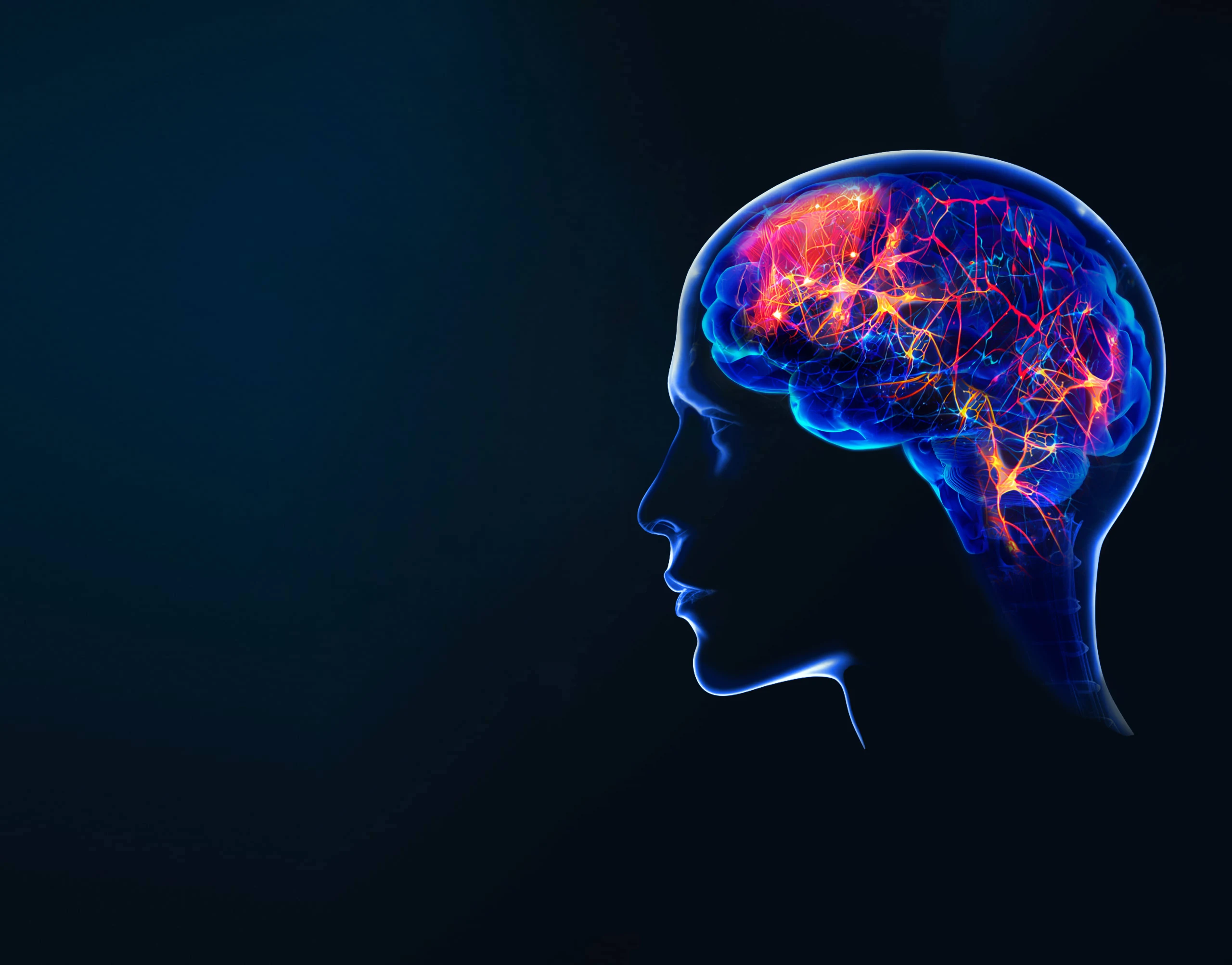
Exomind is a transcranial magnetic stimulation (TMS) device. BTL's training material says it makes the dorsolateral prefrontal cortex, at the front of the brain, more engaged in everyday tasks, and that this leads to improved overall mental well-being, mood, stress management, sleep quality, energy levels and concentration.
What BTL's studies measured
BTL's training material reports two studies that measured mood and stress. It names no journal, and we give the figures as BTL prints them.
- Mental well-being study. 33 people, a mix of healthy and depressed patients, had four sessions 5 to 10 days apart. At the three-month follow-up, by their own report, 81% felt in a good mood, 69% reported handling challenges better and 66% felt less depressed.
- Sleep and stress study, still in progress. 17 people with poor sleep quality and high stress levels were enrolled, 13 on Exomind and 4 on a sham, in a study designed around six weekly sessions. After the last session, 85% of the 13 reported lower stress levels and 92% felt relaxed. The study sets out to measure stress management and sleep quality.
The course for depression
Our treatment course for depression follows BTL's depression programme: 30 daily sessions, each from about 19 minutes (BTL's table gives 19 to 37.5). BTL's intended use for Exomind includes the anxiety that comes with the depression. After the course, the doctor decides on any maintenance sessions, at least a month later. The sessions page sets this course beside the others.
Your medicines and your therapy
BTL states that patients can continue their current antidepressant medication, and its advice before a session is to take your usual medication unless your own doctor has said otherwise. Do not stop or change a medicine, or end a therapy, because you are starting Exomind: a change to a prescription is for the doctor who prescribed it. Exomind works alongside the care you already have, as the therapy page explains.
Tell our doctor about every medicine you take. BTL counts some, such as tricyclic antidepressants, among the medicines that can raise the risk of a seizure.
When the doctor takes extra care
BTL states that the safety and effectiveness of Exomind have not been established in some groups, and asks for extra caution in them. Three of them touch on mood: suicidal thoughts or a recent suicide attempt; "varying degrees of medication resistance", in BTL's own phrase; and a psychotic disorder, including bipolar disorder and major depression with psychotic features. The doctor decides at the consultation, and the is it safe page has the full list.
BTL also lists elevation of mood among the common side effects, with headache and scalp pain. If you feel unusually high or agitated during a course, tell us, and raise it with your GP the same day.
If you need help now
Exomind is not an emergency treatment. If you are in crisis or having thoughts of suicide, call 999 in an emergency, or contact your GP, NHS 111 or Samaritans on 116 123.
Book a free consultation
Call Exomind Clinic on 0207 043 8142 or use the form below. Bring the names and doses of your medicines and tell the doctor about any therapy you have now; the doctor goes through your history and the screening list with you and tells you whether a course fits. Our patients review the clinic on review.clinic, where it scores 4.9 out of 5 from 52 reviews in November 2026.
